Apple
Wambugu Apple: The Kenyan Apple Variety Changing Farming
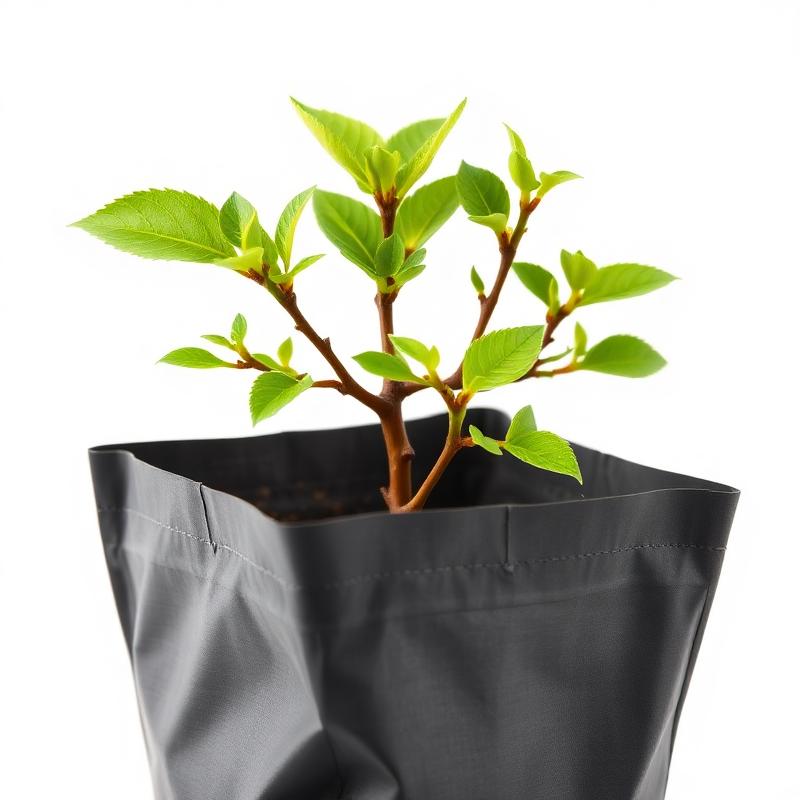
For decades, apples were considered a highland-only crop in Kenya. Then a farmer named Peter Wambugu spent over 20 years grafting and selecting varieties that could thrive in Kenya's warm, mid-altitude zones. The result — the Wambugu apple — has opened apple farming to thousands of farmers from Nyeri to Machakos.
What makes the Wambugu apple special
- Tolerates altitudes from 1,200m to 2,400m — far wider than imported varieties.
- Produces 2–3 crops per year instead of one (with proper pruning and irrigation).
- Starts fruiting in 18 months — half the time of imported stock.
- Self-pollinating — a single tree will produce fruit.
- Sweet-tart flavour, crisp texture, and good shelf life.
Where Wambugu apples grow best
Wambugu apples have been successfully grown in Nyeri, Murang'a, Meru, Embu, Kiambu, Machakos, Makueni, Kitui, parts of Nakuru, and even pockets of western Kenya. The tree is remarkably forgiving — it tolerates both cool highland nights and warm lowland days.
Avoid waterlogged soils and altitudes below 1,000m. Beyond those limits, the variety adapts well to most Kenyan farms.
Planting and care
- Spacing: 3m × 3m (450 trees per acre) for commercial orchards.
- Pit size: 2ft × 2ft × 2ft, mixed with manure and DAP.
- Prune annually to shape the tree and force off-season flowering.
- Water twice a week during establishment and during fruit set.
- Apply CAN at flowering and NPK after harvest.
Yields and income
A mature Wambugu tree produces 100–500 fruits per crop, and well-pruned trees give two crops a year. At farm-gate prices of KSh 30–100 per fruit, an acre with 450 trees can return KSh 500,000 to over KSh 1,500,000 annually once trees mature.
Demand consistently outstrips supply. Most farmers sell directly to local markets, supermarkets, and juice processors without needing to travel far.
Frequently asked questions
- How long does a Wambugu apple take to fruit?
- A grafted Wambugu apple seedling starts fruiting in 18 months and reaches full production by year 3. This is roughly half the time taken by imported apple varieties.
- What altitude does Wambugu apple need?
- Wambugu apples grow well from 1,200m to 2,400m above sea level. They have been planted successfully in both cool highland areas like Nyeri and warmer mid-altitude zones like Machakos and Makueni.
- Do Wambugu apples need a pollinator?
- No. Wambugu apple is self-pollinating, so a single tree can set fruit on its own. Planting more than one tree still improves yields through cross-pollination.
- How many Wambugu apple trees per acre?
- The recommended spacing is 3m × 3m, which gives 450 trees per acre. This high density takes advantage of the variety's compact growth habit.
Ready to start your orchard?
Browse certified grafted seedlings from our Sagana nursery. Free advice on planting, spacing, and care.