Avocado
How to Grow Hass Avocado Profitably in Kenya
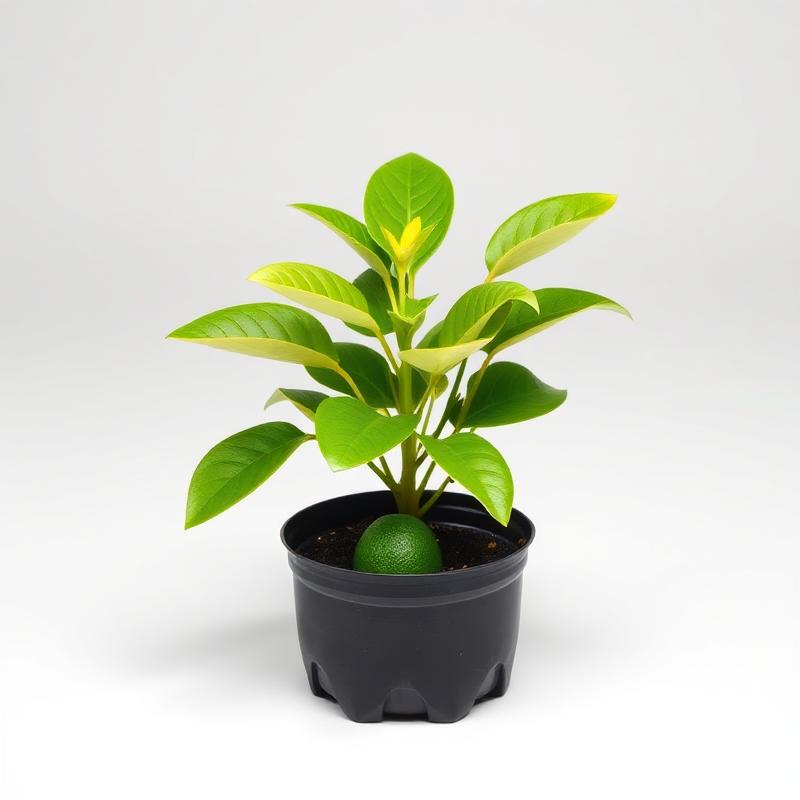
Hass avocado is the variety driving Kenya's fruit export boom. With strong demand from Europe, the Middle East, and Asia, a well-managed Hass orchard can return KSh 300,000 to KSh 1,000,000 per acre per year once trees mature. This guide covers everything you need to start profitably.
Why Hass avocado is the best choice for Kenyan farmers
- Premium export demand — Hass is the global standard.
- Long shelf life — fruits travel well and ripen evenly.
- Thick skin — protects against bruising during transport.
- High oil content — buyers pay more per kilogram.
- Grafted seedlings fruit in 2–3 years instead of 5–7.
Ideal climate and altitude
Hass thrives between 1,000m and 2,100m above sea level. The sweet spot in Kenya is 1,500m–2,000m — Murang'a, Kiambu, Meru, Nyeri, Embu, Kisii, Nandi, Bomet, and parts of the Rift Valley all produce export-grade fruit.
The tree needs 1,000–1,600mm of rainfall per year, well distributed. In drier areas, plan for drip irrigation during the December–March dry spell.
Spacing and land preparation
- Spacing: 5m × 5m (160 trees per acre) for commercial orchards.
- Pit size: 60cm × 60cm × 60cm, dug at least one month before planting.
- Mix topsoil with 1 debe of well-rotted manure and 250g of DAP per pit.
- Plant at the onset of long rains for best establishment.
Water, fertilizer, and pest management
Young trees need 20–40 litres of water per week during dry months. Mature trees need 60–80 litres. Drip irrigation is the most efficient — flood irrigation rots Hass roots quickly.
Top-dress with CAN at the start of each rainy season. Apply NPK 17:17:17 twice a year from year two. Foliar feeds with zinc and boron improve fruit set.
The main pests are thrips, false codling moth, and fruit flies. Scout weekly and use approved bio-pesticides — export buyers reject fruit with chemical residues above MRL limits.
Harvest and export readiness
Grafted Hass starts fruiting in year 2–3 and reaches full production in year 5. A mature tree yields 150–500 fruits per season. Harvest when the dry matter content reaches 23% or higher — that is the export threshold.
Register with KEPHIS and partner with a licensed exporter early. Group certification through a cooperative is the fastest route to market for smallholders.
Frequently asked questions
- How long does Hass avocado take to fruit?
- Grafted Hass avocado seedlings start fruiting in 2–3 years after planting and reach full production by year 5. Seedling-grown trees take 5–7 years and produce inconsistent fruit, which is why grafted stock is the only option for commercial farming.
- How much does an acre of Hass avocado earn in Kenya?
- A well-managed acre with 160 mature trees can produce 24,000–80,000 fruits per year. At average farm-gate prices of KSh 8–15 per fruit, that is KSh 200,000 to over KSh 1,000,000 per acre annually, depending on yield and whether you sell to export or local markets.
- What is the best spacing for Hass avocado?
- The standard commercial spacing is 5m × 5m, which gives 160 trees per acre. Some farmers use 6m × 6m (110 trees per acre) in very fertile soils to allow larger canopies.
- Can Hass avocado grow in dry areas of Kenya?
- Yes, but only with reliable drip irrigation. Hass needs at least 1,000mm of water per year. In dry counties like Machakos, Makueni, and parts of Kitui, drip irrigation plus mulching makes Hass farming viable.
Ready to start your orchard?
Browse certified grafted seedlings from our Sagana nursery. Free advice on planting, spacing, and care.